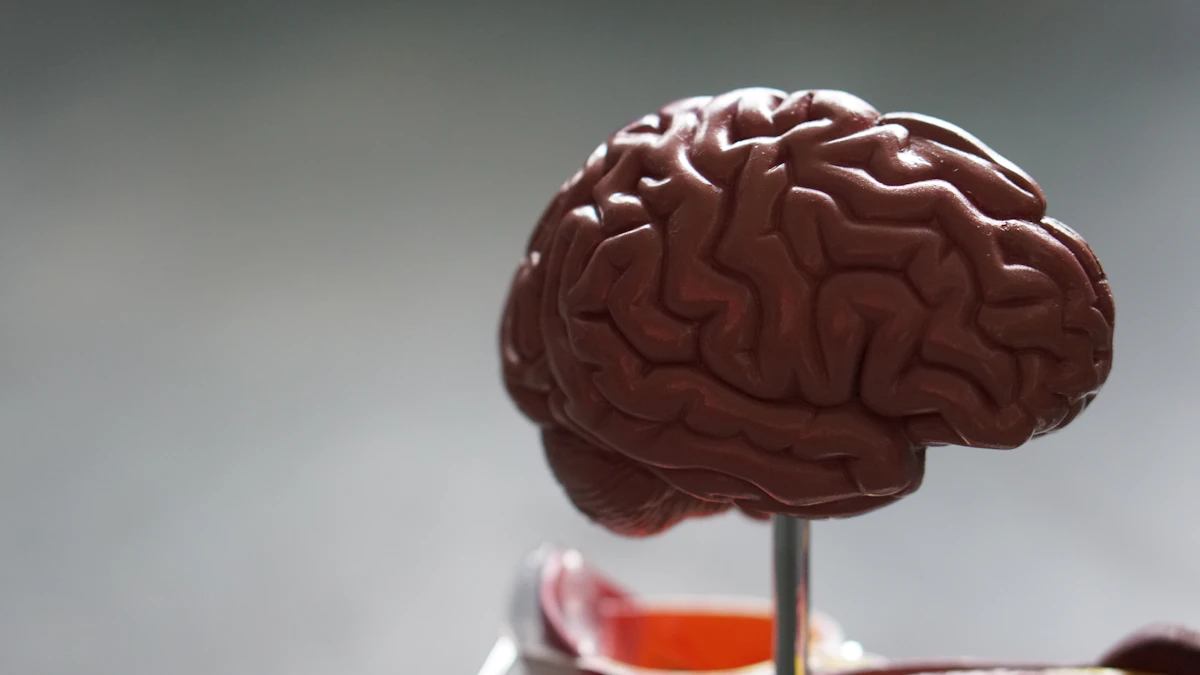
Pain medicine treats pain that has persisted beyond the healing of whatever caused it, usually taken as more than three months. Long-term pain behaves differently from acute pain: the nervous system itself becomes sensitised, so the pain is real and severe even when scans show little, and treating it means treating the nervous system rather than hunting for more damage.
Effective treatment is almost always a combination: medicines, physical rehabilitation, psychological techniques and sometimes injections. Painkillers alone rarely succeed on their own, and increasing doses of strong opioids for long-term non-cancer pain generally makes matters worse rather than better.
What pain clinics offer:
- Medicines aimed at the type of pain, including drugs for nerve pain that are not conventional painkillers.
- Nerve blocks and steroid injections, which can give a window of relief to make rehabilitation possible.
- Radiofrequency treatment of nerves carrying pain from specific joints.
- Physiotherapy and graded activity, which reduces disability even when the pain persists.
- Psychological approaches, which change how much the pain interferes with life.
- Cancer pain management, alongside palliative care.