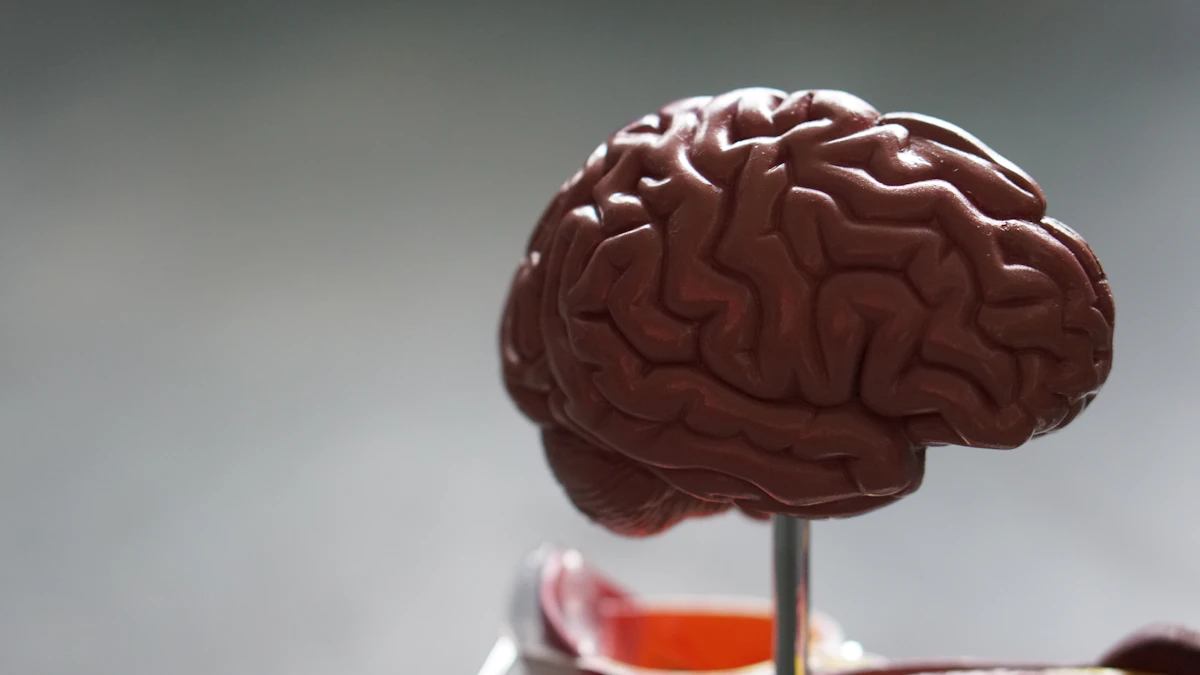
Neuropsychology is the study of how brain injury and brain disease affect thinking, memory, attention, language and behaviour. A neuropsychologist uses standardised tests, usually over two to four hours, to map precisely which mental functions are affected and which are intact. A brain scan shows the structure; neuropsychological testing shows what it means in practice.
When an assessment is useful:
- After a head injury or stroke, to plan rehabilitation and advise on return to work or driving.
- In suspected dementia, to establish a baseline and track change over time.
- In epilepsy, particularly before surgery.
- For children with learning difficulties, to guide what support school should provide.
- Where it is unclear whether the problem is a brain condition or depression, since the two can look alike.