Visiting an AAR health centre: what to expect on the day
From the membership check at reception to the pharmacy window on the way out, a walkthrough of how a visit to an AAR branch in Kampala actually runs.
By Sarah Namu
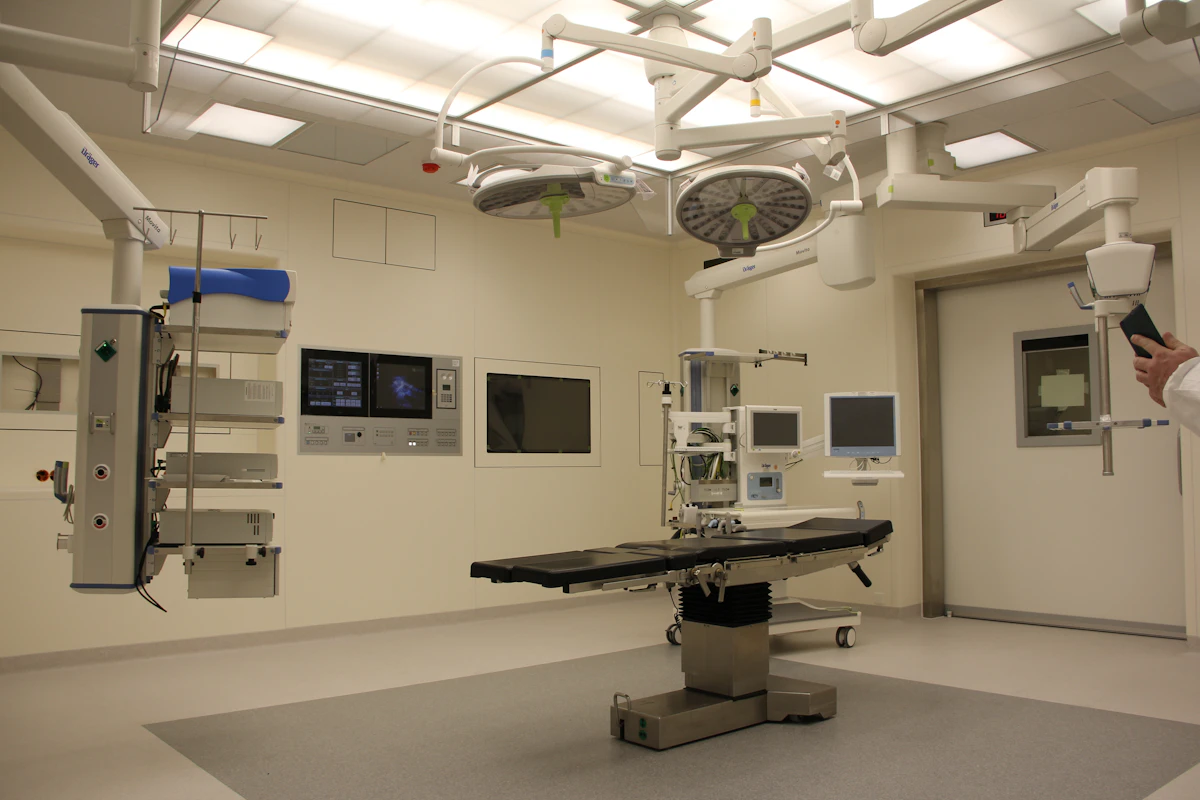
AAR branches are primary-care health centres, not hospitals. They are built for the visit that starts with a problem and ends with a prescription, and the flow on the day reflects that.
At reception
The first question is whether you are a member. Members are looked up on the system and their cover is confirmed before anything else happens, so carry your card or know the number on it. Non-members are usually seen too, on a cash basis, at a quoted consultation fee.
If your employer pays
Corporate schemes are common at AAR and the cover sits under the employer's name, not yours. If reception cannot find you, the fix is nearly always a call to your HR office rather than a second registration.
Triage and the consultation
A nurse takes your weight, temperature and blood pressure before you see the doctor. The consultation itself is general practice: history, examination, and a decision on whether tests are needed. Branches run their own small labs for routine work, so a malaria test or a blood count is usually done in the building while you wait.
Bring with you:
- Your membership card or number, and an ID.
- Any medicines you are currently taking, in their packaging.
- Previous results or referral letters, if the visit follows on from something.
The pharmacy on the way out
Prescriptions are dispensed at the branch. For members this is where the plan limit shows up: covered drugs go through on the membership, anything outside it is quoted in cash before it is handed over. Ask for the price of each item before you agree, not after.
When a branch is not the right place
Health centres are not set up for admission, surgery or serious emergencies. A branch will stabilise and refer, which costs time if the problem was always going to need a hospital. For chest pain, heavy bleeding, a serious accident or a child who is very unwell, go straight to a hospital emergency unit instead.
Prices and figures in this article are illustrative. Always confirm the current price with the facility before you travel.
Compare scan prices
Sarah Namu
Health writer, CareCompass
Sarah covers how care is delivered day to day, from waiting times to what happens between a referral and a result. She writes for readers deciding where to go next, not for clinicians.